Week 4: MedTech and Art
Medical technologies have always fascinated me and as an electrical engineer, I often wonder how electromagnetic waves are utilized to produce such accurate scans of the body's inner workings. This week's materials exposed me to the history of human anatomy starting from Vesalius, referred to as the "father of human anatomy" and ending with Dr. Damadian, the creator of the world's first MRI scanner (Vesna).
The first art piece I wanted to focus on was the Vitruvian Man by Leonardo Da Vinci, an iconic anatomical work of art dating from the High Renaissance. Da Vinci exemplifies the connection between medical studies and art, he is not only considered one of the greatest artists of all time but his works also show his high level of anatomical understanding. Da Vinci using simply a scalpel, pen, and paper discovered information about the human body that '"rivaled that of the MRI scanner" (Cogmon 2018).
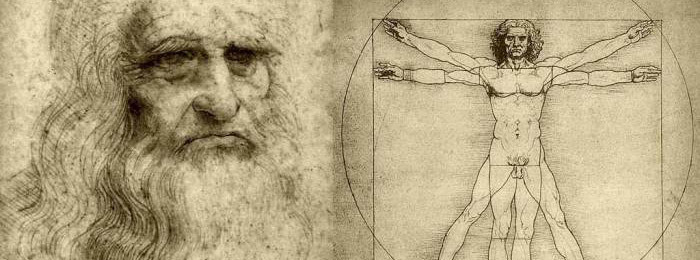 |
| Da Vinci and his iconic sketch 'Vitruvian Man' (Source: Drawing Academy) |
The next work of art I want to look at is to do with plastic surgery, a comparatively modern technology that has sparked decades of ethical debates surrounding beauty standards. Andy Warhol was an American visual artist known for taking basic, banal objects and "transmogrifying them into works of art" (Snow 2019). As such, he became fascinated with plastic surgery due to its ability to turn plain human features into appealing, unique transformations. Warhol stated: “I love Los Angeles. I love Hollywood. They’re so beautiful. Everything’s plastic, but I love plastic. I want to be plastic!” (Snow 2019). Warhol promoted what we nowadays establish to be beauty standards, in contrast to the perfect proportions displayed in the Vitruvian Man by Da Vinci.
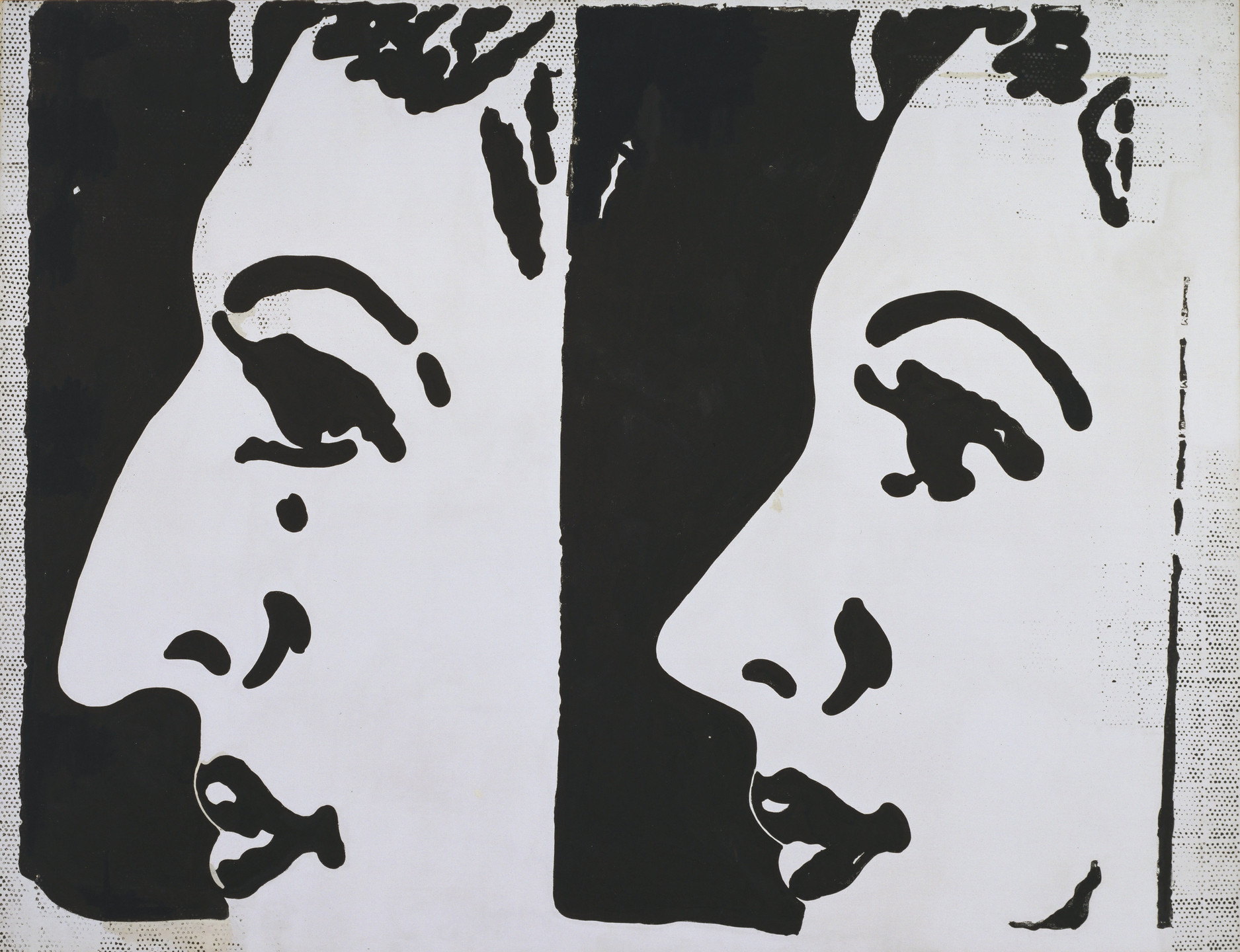 |
| Andy Warhol, Before and After, 1961, Museum of Modern Art, New York, NY, USA. (Source: MoMA) |
The final work of art that really inspired me was from radiologist Kai-hung Fung who used CT scan images to create eye-opening pieces. The image below is a representation of our sinuses created by Dr. Fund which "won the 2007 International Science and Engineering Visualization Challenge" (New Scientist 2009).
 |
| 'What lies behind our nose?' by Kai-hung Fung (Source: New Scientist) |
To conclude, I did some further research to discover connections between medical technologies and art and found a journal from Dr. Hajar. Dr. Hajar discusses the contribution of the arts to medicine and how arts can 'sharpen their [doctors] observational skills and teach them to be more empathetic' (Hajar 2018). I think this truly underscores the role that art has in medicine and vice versa.
References:
Cogmon, Clayton. “Leonardo Da Vinci - the Anatomical Artist.” Drawing Academy, 26 Sept. 2018, https://drawingacademy.com/leonardo-da-vinci-the-anatomical-artist.
Hajar, Rachel. "What has art to do with medicine?." Heart views: the official journal of the Gulf Heart Association 19.1 (2018): 34.
Snow, Philippa. “Dissecting the Idea of Plastic Surgery as Art.” Dazed Beauty, 1 May 2019, https://www.dazeddigital.com/beauty/article/44257/1/plastic-surgery-art-form-artists-body-modification.
Vesna, Victoria, director. Medicine + Technology + Art | Lectures. BruinLearn, UCLA, https://bruinlearn.ucla.edu/courses/160989/pages/unit-4-view?module_item_id=5946331. Accessed 28 Apr. 2022.
“Andy Warhol. before and after. 1961: Moma.” The Museum of Modern Art, https://www.moma.org/collection/works/78921.
“Window on the Body: CT Scans Become Art.” New Scientist, New Scientist, 6 Oct. 2009, https://www.newscientist.com/gallery/dn17411-art-made-in-a-ct-scanner/.
Image References:
Cogmon, Clayton. “Leonardo Da Vinci - the Anatomical Artist.” Drawing Academy, 26 Sept. 2018, https://drawingacademy.com/leonardo-da-vinci-the-anatomical-artist.
“Andy Warhol. before and after. 1961: Moma.” The Museum of Modern Art, https://www.moma.org/collection/works/78921.
“Window on the Body: CT Scans Become Art.” New Scientist, New Scientist, 6 Oct. 2009, https://www.newscientist.com/gallery/dn17411-art-made-in-a-ct-scanner/.


Great blog! I like how you spoke about each piece and how it relates to both art and the human body. I would have never guessed that the last picture was an MRI of a person's sinuses and it is really interesting to see that just our basic human anatomy has so much art within it.
ReplyDeleteHi Utkarsh,
ReplyDeleteI really enjoyed how you brought up the example of Da Vinci's sketch 'Vitruvian Man' to show us the relationship between art and anatomy. I also liked your presentation on radiologist Kai-hung Fung's CT scan images and how they used CT scan to create amazing pieces. I can't help but adding to the fact that professor Vesna said plastic surgery transformed the lives of WW1 soldiers, which is amazing. Anyway, keep up the good work!